

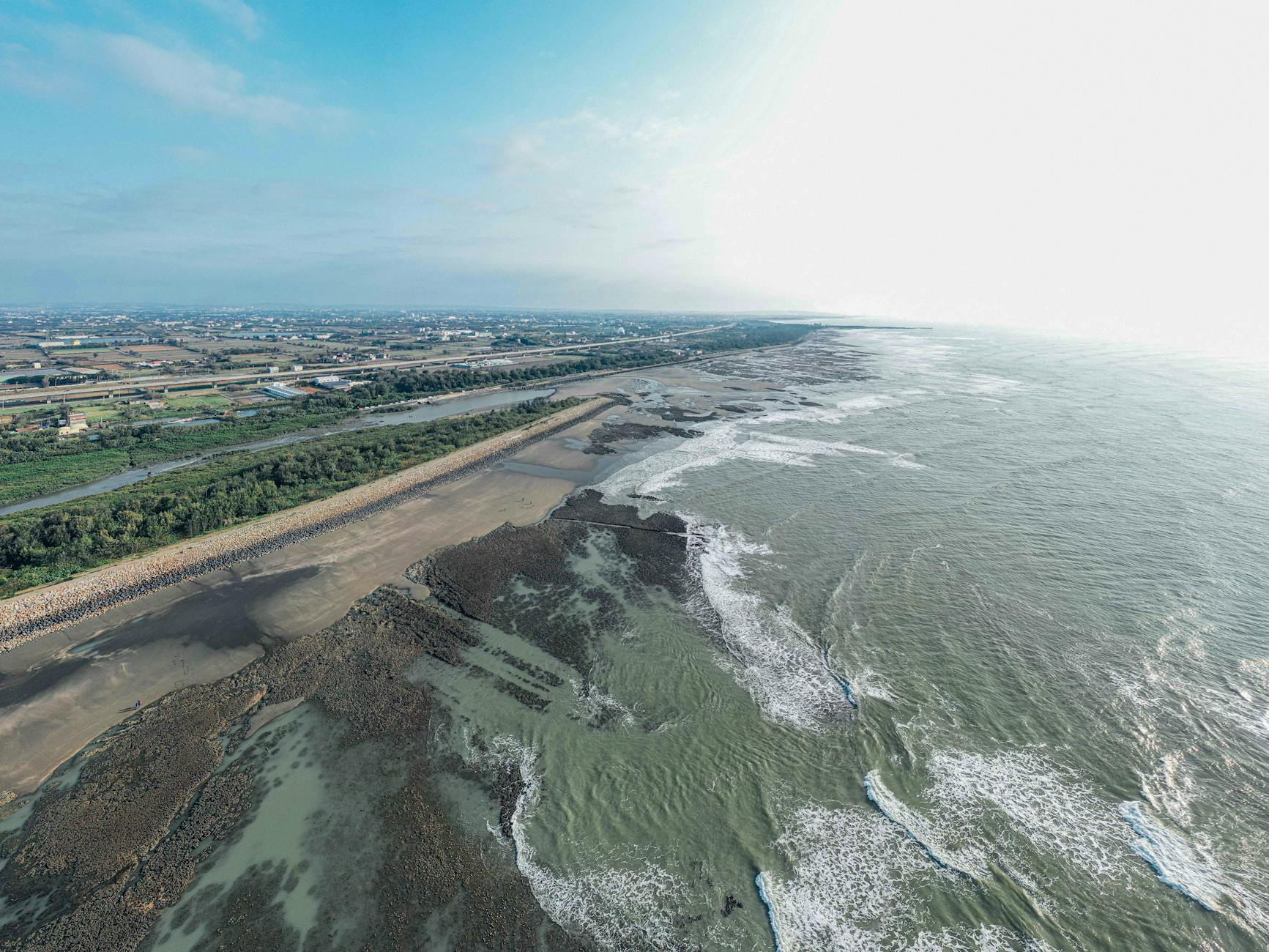
Revitalizing Fukushima: The Dawn of a New Innovation Era
Nearly fifteen years have passed since the devastating triple disaster of March 11, 2011, when an earthquake, tsunami, and subsequent nuclear accident at Fukushima Daiichi dramatically altered the landscape and lives of the Tōhoku region in Japan. Once synonymous with tragedy, radiation, and depopulation, Fukushima today paints a far different picture — one of vibrant resilience and robust revitalization driven by technological ingenuity and community-driven innovation.
The Fukushima Innovation Coast Framework (FICF) acts as the linchpin of this renaissance, functioning as a strategic guide that fosters a new industrial ecosystem along the Hamadōri coastline and neighboring areas. With more than 428 companies now operating within the zone and nearly 5,000 jobs created, the Framework epitomizes how a region marred by disaster has turned into a hub where technology and sustainability converge to forge economic revival.
Key to this transformation is a comprehensive focus on six strategic industries encompassing nuclear decommissioning, energy and recycling, robotics and drones, agroforestry and fisheries, medical technology, and aerospace. This approach exemplifies how multifaceted investment across sectors can weave together a fabric resilient enough to overcome the scars of catastrophe.
- Robotics and drones play a crucial role in hazardous zone recovery and modernizing industrial tasks.
- Energy and recycling efforts aim at harnessing renewable sources while mitigating environmental impact.
- Agroforestry and fisheries leverage traditional knowledge alongside advanced tech to restore sustainable food systems.
- Medical technologies are exploring innovative therapies and rehabilitation solutions.
- Aerospace industries propel Fukushima into emerging frontiers of mobility and transport technologies.
- Nuclear decommissioning technology both responds to past challenges and drives expertise export globally.
This coordinated model attracts universities, startups, and international collaborators, positioning Fukushima as not only a symbol of recovery but a beacon for new industrial paradigms. It is also crucial to note how community involvement and government backing synergize to ensure these innovations align with local needs and visions for sustainability.
Fukushima’s story from 2011 to today is more than disaster management; it’s an ongoing experiment in marrying high-tech solutions with longstanding community ties to rewrite economic trajectories in ways that can inform regional revivals worldwide. For a detailed exploration of Fukushima’s remarkable techno-social ecosystem, further reading is available at Fukushima revitalization efforts overview.

Fukushima Innovation Coast Framework: Building Tomorrow’s Industrial Backbone
Strategically architected to stimulate regions devastated by the 2011 disaster, the Fukushima Innovation Coast Framework serves as the backbone of regional revitalization. This ambitious government-backed initiative targets the creation of cutting-edge industry clusters, generating new markets and jobs centered on advanced robotics, renewable energy, and medical technology.
One of the Framework’s standout achievements is the Fukushima Robot Test Field (RTF), a sprawling facility that tests drones and robots in realistic environments to enhance logistics, infrastructure inspection, and emergency response capabilities. Covering areas in Minamisōma and Namie, the RTF’s drone zones battle strong winds, its underwater robot pools simulate aquatic tasks, and its aerial infrastructure supports extensive flight trials. This integrated setup is among the largest globally and amplifies Fukushima’s status as a center of innovative technology.
Complementing the robotics test field is the cutting-edge Zippar suspended transport system aiming to revolutionize urban transit. Developed in collaboration with academic pioneers, Zippar offers a lightweight, flexible, and cost-efficient alternative to traditional monorails and buses. Its autonomous vehicles negotiate sharp bends and branches, adapting to complex cityscapes while minimizing environmental footprint. Pilot projects and feasibility studies underway both domestically and internationally, including cities like Niigata and even Pokhara in Nepal, demonstrate the system’s potential to reshape urban mobility.
- Over 200 businesses have received innovation subsidies through the FICF.
- More than 223 entrepreneurship programs have been launched under Fukushima Tech Create.
- The zone has welcomed approximately 428 enterprises, providing diverse job opportunities.
- Local communities have seen resettlement efforts with 839 individuals returning after evacuation.
More than a mere revival plan, the Framework embodies a collaborative platform where knowledge exchange between academia, industry, and government breeds a sustainable industrial future. This nexus is crucial for integrating innovation within Fukushima’s social fabric, helping residents regain economic confidence and envision long-term sustainability.
For a comprehensive look at these industrial renewal strategies and their socioeconomic impacts, consult specialist analyses such as the Springer chapter on Fukushima’s reconstruction and the Japan Disaster Recovery journal.
Technology in Service of Environmental Recovery and Sustainability
The environmental impact of a nuclear disaster reverberates for decades, making eco-conscious recovery paramount in Fukushima’s rebirth. While robot-assisted dismantling and cleanup address immediate safety, innovative industries now aim to regenerate local ecosystems and pivot towards a carbon-neutral future.
Rice Resin, a pioneering company founded in 2022 in Namie, transforms rice — a staple crop of the region — into biodegradable plastics. Their creation not only reduces reliance on petrochemical plastics but also adds economic value to farmland previously left fallow by radiation fears. This sustainable biomaterial intersects agriculture and technology, serving as a model for ecological industrial transformation.
Equally significant is the Fukushima Hydrogen Energy Research Field (FH2R), the world’s largest green hydrogen production site fueled by renewable electricity. By electrolyzing water with solar-powered energy, FH2R manufactures clean hydrogen, positioning Fukushima as a leader in Japan’s national hydrogen strategy. This approach addresses energy storage challenges, enhances grid stability, and underpins the transition to zero-emission transportation and industry.
- Rice Resin champions circular economy principles by valorizing regional agricultural byproducts.
- FH2R showcases large-scale integration of renewable energy with advanced fuel technologies.
- Green hydrogen generated here supports Japan’s aim for 20% nuclear energy contribution by 2040 with complementary clean alternatives.
- Local aquaculture innovation, including land-based shrimp farms in Katsurao, revitalizes rural economies sustainably.
Efforts to promote environmental recovery marry high technology with traditional practices, exemplifying a resilience mindset seeking harmony between human activity and nature. Such initiatives underscore Fukushima’s role as an experimental ground for applied sustainability at an industrial scale. Further insights into Fukushima’s environmental programs are available via the Fukushima Institute for Research, Education and Innovation.
Community Revitalization Through Innovation and Participation
The human dimension underpins Fukushima’s large-scale regeneration. Lifeways interrupted by evacuation orders and contamination fears demand fresh solutions that reknit social fabric while fostering economic opportunity. Various projects now focus on facilitating population return and improving local quality of life through technology and cultural engagement.
An emblematic example is the artistic revival of Futaba, where the mural art company OVERALLS, led by Joe Takasaki, reignites community spirit and invites visitors back to a town once declared uninhabitable. This cultural renaissance intertwines with industrial renewal to foster a multidimensional recovery, acknowledging both community and identity as pillars for sustainable prosperity.
Meanwhile, innovative technologies like Innophys’s lightweight exoskeletons enhance labor productivity and assist aging populations, supporting both the workforce and healthcare sectors. These devices empower agricultural and industrial workers, who often confront physically demanding environments, by reducing strain and increasing safety.
- Specialized centers help coordinate the return of over 800 residents to evacuated municipalities.
- Local art projects restore townscapes, stimulating tourism and cultural pride.
- Technology-driven health aids like exoskeletons improve workforce sustainability.
- Educational outreach programs improve awareness and combat stigma around Fukushima’s changed landscape.
By weaving innovation with community values, these initiatives create a feedback loop where technology serves social healing, and populations become active stakeholders in their environment’s future. Such approaches reflect a global model of post-disaster reconstruction with a human face, inspiring similar efforts worldwide. More about the human stories behind Fukushima’s resurgence can be found at Fukushima firsthand reporting.
Addressing Challenges While Building a Sustainable Horizon for Fukushima
Despite impressive strides, Fukushima’s path forward includes challenges that invite caution and dialogue. Social acceptance of automated technologies, concerns about long-term economic viability, and the lingering stigma of the 2011 disaster require careful balancing.
Government support, such as the recent approval to restart operations at Japan’s largest nuclear power plant in Niigata prefecture, signals a national strategy integrating nuclear power alongside renewable sources. This dual approach aims for an energy mix that achieves carbon neutrality by 2050 while rekindling nuclear as a stable electricity supplier. The policy shift rekindles debate but also creates openings for innovation across sectors involved in safety, regulation, and clean energy technologies.
Environmental and social monitoring frameworks remain vital to reassure locals and stakeholders about technological integration and safety. Transparency and ongoing risk assessment are key to sustaining momentum and trust in Fukushima’s evolving model.
- Public confidence in new technologies must be continually nurtured with inclusive dialogue.
- Economic strategies aim to diversify industries beyond crisis-dependent funding.
- Safety protocols for robotics, drones, and hydrogen infrastructure receive constant evaluation.
- National and regional policy coherence underpins Fukushima’s role as a replicable example.
Looking ahead, Fukushima stands as a laboratory where experimentation in sustainability, industrial renewal, and social resilience may yield lessons critical for other post-crisis regions. The ongoing efforts documented by institutions such as the OECD’s sustainable future framework for Fukushima highlight the complexity and promise embodied in this dynamic journey.
Overall, Fukushima’s recovery embodies the essence of innovation paired with respect for a land and people determined to thrive again. This fragile yet bold new landscape offers hope not only to Japan but to the world, as it forges a resilient path through science, technology, and unwavering human spirit.


